
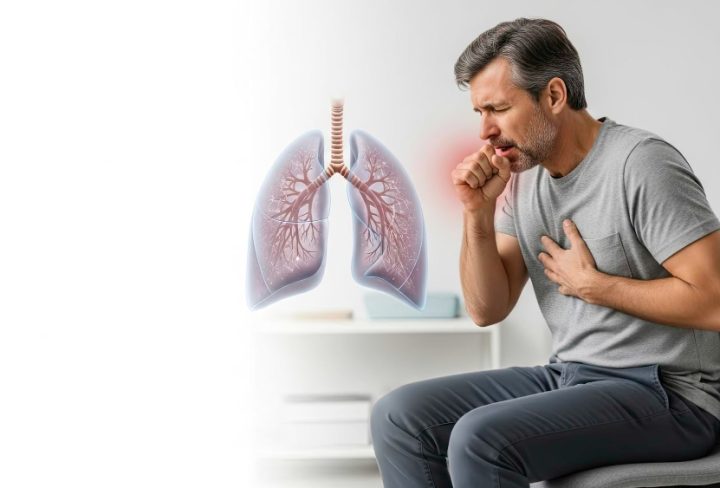
What Is Breathlessness?
Breathlessness means feeling short of breath or unable to get enough air. Sometimes, this feeling comes on suddenly. Other times, it builds up slowly. Asthma and Other Lung Diseases: When Breathlessness Needs Further Evaluation is important because breathlessness can be a sign of a serious problem. For many people, breathlessness happens after exercise or during illness. However, if it happens often or gets worse, it may need medical attention. According to the World Health Organization (WHO), breathlessness is a common reason people visit the doctor. In many cases, it can be managed well with the right care.
Common Causes: Asthma and Other Lung Diseases
Several health problems can cause breathlessness. Asthma is one of the most common. In asthma, the airways become narrow and swollen. This makes it hard to breathe. Other lung diseases can also cause breathlessness. For example, chronic obstructive pulmonary disease (COPD) and lung infections are frequent causes. Sometimes, heart problems or allergies can play a role. But lung diseases are often the main reason. Here are some common causes:
Because these conditions can be serious, it is important to know when to seek help.
Recognizing Symptoms That Need Medical Attention
Sometimes, breathlessness is mild and goes away quickly. However, certain symptoms mean you should see a doctor right away. For example, if you have chest pain, blue lips, or trouble speaking, get help fast. The Centers for Disease Control and Prevention (CDC) recommends watching for these warning signs:
In addition, if your usual asthma symptoms get worse or do not improve with medicine, seek medical care. Early attention can prevent serious problems.
How Doctors Diagnose Breathlessness
Doctors use several steps to find the cause of breathlessness. First, they ask about your symptoms and medical history. Next, they listen to your chest with a stethoscope. Often, they will check your oxygen levels. Sometimes, they order tests to get more information. For example, you may need:
Because each person is different, your doctor will choose the best tests for you. Lung disease diagnosis is important for finding the right treatment. Early diagnosis can help manage chronic lung conditions better.
Treatment Options for Asthma and Other Lung Diseases
Treatment depends on the cause of your breathlessness. For asthma, doctors often prescribe inhalers. These help open the airways quickly. In addition, some people need daily medicine to keep symptoms away. For other lung diseases, treatment may include:
Sometimes, lifestyle changes are also needed. Managing chronic lung conditions often means working closely with your healthcare team. With the right plan, many people can live active lives.
Lifestyle Tips for Managing Breathlessness
While treatment is key, daily habits also matter. For example, staying active can help your lungs work better. However, always check with your doctor before starting new exercises. Here are some tips for managing breathlessness:
Because triggers are different for everyone, learn what affects your breathing. Keeping a symptom diary can help you and your doctor spot patterns.
Prevention and Early Detection
Preventing lung disease starts with healthy choices. For instance, getting vaccinated against flu and pneumonia lowers your risk of lung infections. In addition, regular check-ups help catch problems early. If you have asthma symptoms or a family history of lung disease, tell your doctor. Early detection makes treatment easier and more effective. The CDC and WHO both stress the importance of avoiding tobacco and keeping air clean. By taking these steps, you can protect your lungs and reduce breathlessness.