
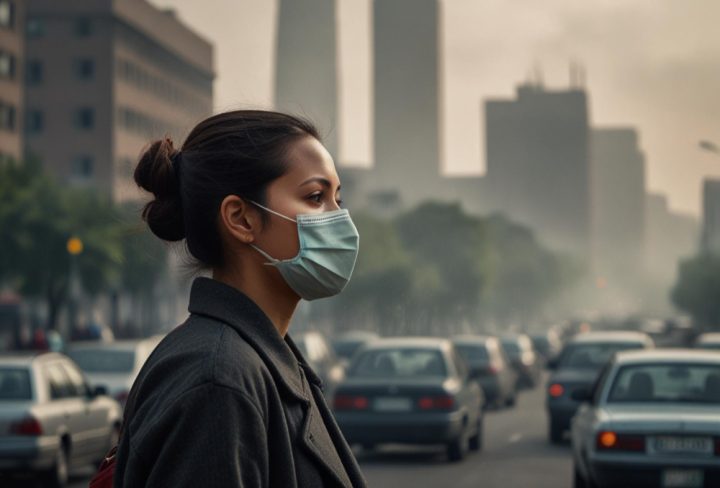
What Is Air Pollution?
Air pollution and health are connected in many ways. Air pollution means harmful substances mix with the air we breathe. These substances can be gases, dust, or smoke. Sometimes, you can see or smell them. Other times, they are invisible. For example, car exhaust and factory smoke add to air pollution. According to the World Health Organization (WHO), air pollution is a major public health risk worldwide. Even small amounts can harm your lungs over time.
Common Sources of Air Pollution
Many things can pollute the air, both indoors and outdoors. For instance, some common sources include:
Because these sources are everywhere, air quality can change quickly. In many cities, air quality alerts warn people about high pollution days.
How Air Pollution Affects Respiratory Health
Air pollution can make breathing harder. When you breathe in polluted air, tiny particles can enter your lungs. Over time, this can cause swelling and damage. As a result, people may develop breathing problems. The Centers for Disease Control and Prevention (CDC) explains that air pollution can lead to asthma, bronchitis, and even lung cancer. Even healthy people may notice coughing or shortness of breath on bad air days. For children and older adults, the risks are even greater. Because air pollution can harm the lungs, protecting lungs from pollution is very important.
Symptoms of Air Pollution-Related Respiratory Problems
Many people notice symptoms when air quality is poor. For example, you might feel:
Because symptoms can be mild or severe, it is important to pay attention. If you notice these signs often, air pollution may be the cause.
Who Is Most at Risk?
Some groups are more sensitive to respiratory risks from air pollution. For instance, people at higher risk include:
Because these groups breathe more air or have weaker lungs, they need extra care. Even healthy adults can feel effects during high pollution days.
Diagnosis of Air Pollution-Related Respiratory Issues
Doctors use several ways to check for breathing problems linked to air pollution. For example, they may ask about your symptoms and medical history. Sometimes, they use breathing tests to measure how well your lungs work. Chest X-rays or blood tests can also help. If you live in a city with poor air quality, let your doctor know. Because early diagnosis helps prevent serious problems, do not ignore ongoing symptoms. The CDC recommends regular checkups for people at higher risk.
Prevention and Protection Strategies
There are many ways to protect your lungs from pollution. For example, you can:
Because air quality and breathing problems are linked, these steps can lower your risk. The Environmental Protection Agency (EPA) offers real-time air quality updates for many cities.
Lifestyle Tips for Reducing Exposure
Simple lifestyle changes can help you avoid air pollution. For instance, try these tips:
Because small changes add up, everyone can help reduce air pollution. In many areas, local health departments share tips for protecting lungs from pollution and improving air quality.