
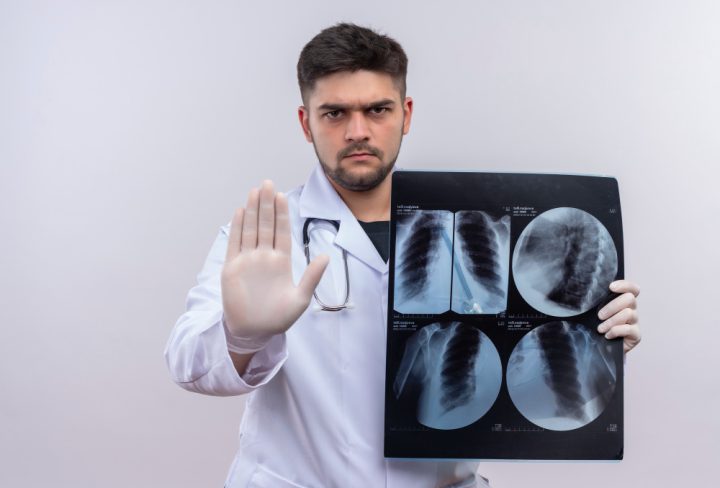
What Is Pneumonia?
Pneumonia is a lung infection that can affect anyone. It causes the air sacs in one or both lungs to fill with fluid or pus. As a result, breathing becomes hard. Pneumonia can range from mild to life-threatening. In many cases, early signs of pneumonia may look like a cold or the flu. However, knowing pneumonia warning signs can help you get care quickly. According to the CDC, pneumonia is a leading cause of illness in both children and adults.
Common Symptoms of Pneumonia
At first, pneumonia may seem like a simple cough or fever. But symptoms can get worse fast. For example, you may notice:
Sometimes, symptoms are mild. Yet, in other cases, they can become severe pneumonia symptoms that need fast action.
Warning Signs That Require Immediate Medical Attention
Some pneumonia emergency signs mean you should see a doctor right away. These signs can show that the infection is serious. For example, seek prompt medical care if you or a loved one has:
In children, watch for grunting, flaring nostrils, or pulling in of the chest muscles. For older adults, confusion can be an early sign of pneumonia. If you notice these pneumonia warning signs, do not wait. Quick care can save lives.
Causes and Risk Factors
Pneumonia can be caused by bacteria, viruses, or fungi. For instance, the flu virus and COVID-19 can lead to viral pneumonia. Bacterial pneumonia is often caused by Streptococcus pneumoniae. Some people have a higher risk of getting pneumonia. These risk factors include:
Because of these risks, people in these groups should watch for early signs of pneumonia and seek help sooner.
How Pneumonia Is Diagnosed
Doctors use several steps to find out if you have pneumonia. First, they will ask about your symptoms and health history. Next, they will listen to your lungs with a stethoscope. Often, a chest X-ray is needed to see if there is an infection. Sometimes, blood tests or a sample of mucus are used to find the cause. Quick diagnosis helps doctors choose the right treatment. In many cities, like New York or Los Angeles, pneumonia care is available at urgent care centers and hospitals.
Treatment Options
Treatment depends on the cause and how sick you are. For bacterial pneumonia, doctors usually prescribe antibiotics. For viral pneumonia, rest and fluids are important, since antibiotics do not work on viruses. In some cases, doctors may give antiviral medicine. If symptoms are severe, you may need to stay in the hospital. There, you can get oxygen or other support. Always finish all medicines as your doctor directs. This helps prevent the infection from coming back.
Prevention Tips and Healthy Lifestyle Guidance
There are steps you can take to lower your risk of pneumonia. For example, you can:
By following these tips, you can help protect yourself and your family. If you live in a city with high rates of lung infections, such as Chicago, ask your doctor about local pneumonia prevention programs.