
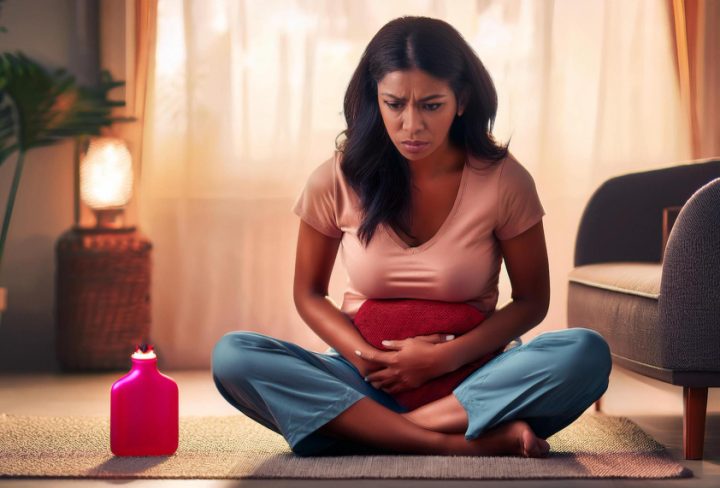
What Are Heavy Periods?
Heavy periods, also called menorrhagia, mean bleeding that is much heavier or lasts longer than normal. For many women, periods can change over time. However, if you need to change pads or tampons every hour for several hours, your period may be heavy. According to the Centers for Disease Control and Prevention (CDC), heavy periods can affect daily life. Sometimes, heavy periods are a sign of a health problem. But often, they are common and not dangerous.
Common Symptoms of Heavy Periods
Not everyone knows what counts as a heavy period. Still, there are signs to watch for. For example, you may have heavy periods if you:
Sometimes, these symptoms can lead to anemia, which means low iron in your blood. Because of this, it is important to pay attention to how your periods affect your health.
Typical Causes of Heavy Periods
There are many causes of heavy periods. Some are common and not serious. Others may need medical care. For instance, heavy periods can be caused by:
Because heavy periods can have many causes, it is helpful to track your symptoms. This way, you can share details with your doctor if needed.
When to Seek Medical Attention
Sometimes, heavy periods are normal. Yet, there are times when you should see a doctor. For example, seek help if you:
Above all, trust your instincts. If you feel something is not right, it is best to talk to a healthcare provider. In many cities, you can search for “heavy periods treatment in [Your City]” to find help nearby.
How Heavy Periods Are Diagnosed
Doctors use several steps to find the cause of heavy periods. First, they will ask about your symptoms and health history. Next, they may do a physical exam. Sometimes, doctors order blood tests to check for anemia or bleeding problems. In addition, they may use ultrasound to look at your uterus. Rarely, a doctor may suggest a biopsy, which means taking a small sample of tissue. These steps help find the best treatment for you.
Treatment Options for Heavy Periods
Treatment for heavy periods depends on the cause. Sometimes, no treatment is needed. However, if heavy periods affect your life, doctors may suggest:
For many people, simple treatments can help manage symptoms. Still, your doctor will work with you to find the safest option.
Lifestyle Tips for Managing Heavy Periods
While medical treatment is important, lifestyle changes can also help. For example, you can:
Additionally, talking with friends or support groups can make coping easier. Remember, you are not alone.
Prevention and Self-Care Strategies
Although you cannot always prevent heavy periods, some steps may help. For instance, regular check-ups with your doctor can catch problems early. Also, managing stress and keeping a healthy weight may lower your risk. If you take medicines that affect bleeding, talk to your doctor about safer options. Finally, learn the signs of abnormal uterine bleeding so you can get help when needed. Taking care of your health is the best way to manage heavy periods.