
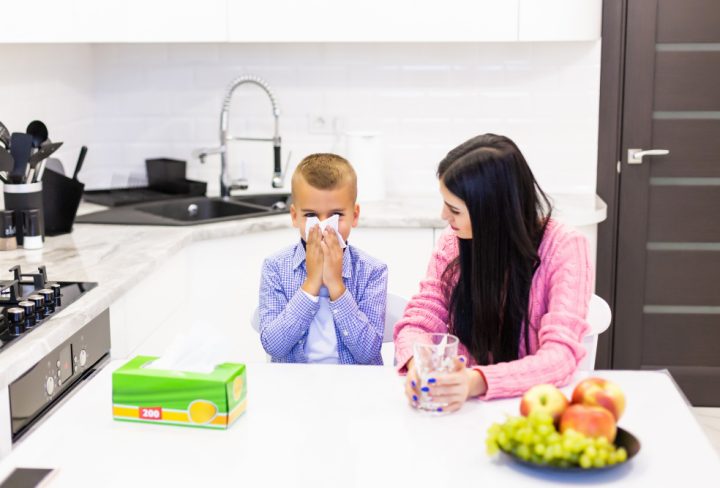
Childhood allergies are common and can affect children of all ages. In fact, the Centers for Disease Control and Prevention (CDC) reports that over 7 million children in the United States have allergies. Because allergies can cause many symptoms, it is important for parents to know the signs and triggers. Early understanding helps keep children safe and healthy. This guide explains what childhood allergies are, common childhood allergy triggers, and how to spot allergy symptoms in children.
What Are Childhood Allergies?
Allergies happen when a child’s immune system reacts to something harmless, like pollen or certain foods. Instead of ignoring these things, the body treats them as threats. As a result, allergy symptoms in children may appear. For many kids, allergies can start early in life. However, some children may develop allergies later.
Common types of childhood allergies include:
Because allergies can range from mild to severe, it is important to know what causes them in your child.
Common Allergy Triggers in Children
Many things can trigger allergies in kids. While some triggers are found indoors, others are more common outdoors. Knowing these can help parents manage allergies in kids more easily. For example, certain triggers may be more common in specific locations or during certain seasons.
In some cities, air pollution or high pollen counts can make allergy symptoms in children worse. Therefore, it helps to check local allergy forecasts.
Recognizing Symptoms of Childhood Allergies
Allergy symptoms in children can look different from one child to another. Still, some signs are very common. Because symptoms can be mild or severe, it is important to watch for changes in your child’s health. Early recognition helps prevent more serious problems.
Sometimes, allergy symptoms in children can be confused with a cold. However, allergies usually last longer and may come back in certain places or seasons.
How Allergies Are Diagnosed in Children
Doctors use several methods to diagnose allergies in kids. First, they ask about symptoms and family history. Next, they may suggest tests to find the cause. Because early diagnosis helps with managing allergies in kids, it is important to see a doctor if you suspect an allergy.
Doctors may also look for patterns, such as symptoms that happen only at certain times or in certain places.
Managing and Preventing Childhood Allergies
Managing allergies in kids starts with avoiding triggers. Because every child is different, your doctor can help make a plan that fits your child’s needs. With the right steps, most children can live healthy lives.
In some cases, doctors may suggest allergy medicines or shots. According to the CDC, working closely with your healthcare provider helps keep allergy symptoms in children under control.