
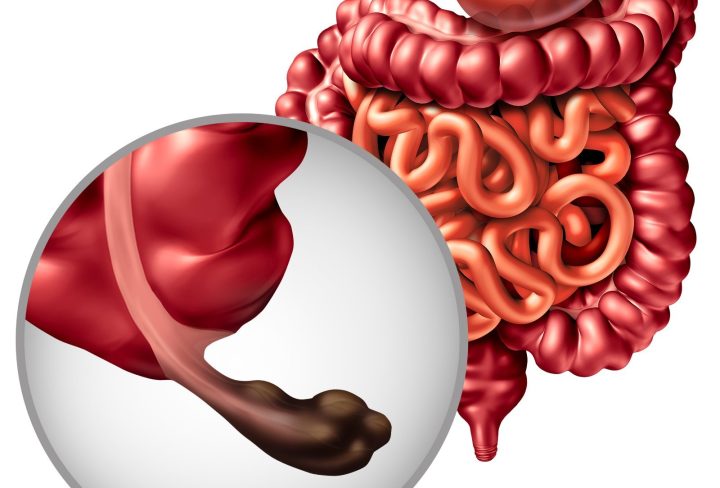
What is Appendicitis?
Appendicitis is a sudden swelling of the appendix. The appendix is a small, tube-shaped organ in your lower right belly. Although its exact job is not clear, it can become infected. When this happens, it can cause pain and other symptoms. If not treated quickly, appendicitis can be dangerous. Many people do not know the early signs of appendicitis. However, knowing these signs can help you get care fast.
Why Early Detection Matters
Early detection of appendicitis is very important. If you ignore early symptoms, the appendix can burst. This can lead to a serious infection in your belly. In some cases, it can even be life-threatening. Therefore, spotting appendicitis early signs can help you get treatment before things get worse. Quick action can also mean a faster recovery and fewer problems later.
Early Signs and Symptoms of Appendicitis
Appendicitis early signs can be easy to miss. But paying attention to your body can help. Here are some common early symptoms of appendicitis:
Sometimes, the pain gets worse when you move, cough, or take deep breaths. In children and older adults, symptoms can be different or less clear. For example, young children may only seem tired or have a mild stomach ache. Because of this, it is important to watch for any changes.
When to Seek Medical Help
If you notice any early symptoms of appendicitis, do not wait. Even if the pain is mild, it can get worse quickly. You should seek medical help right away if:
In many cities, including your area, doctors can check for appendicitis symptoms quickly. Early care can prevent serious problems. Never try to treat appendicitis at home. Always see a doctor if you are unsure.
Diagnosis and Treatment Overview
Doctors use several steps to check for appendicitis. First, they will ask about your symptoms and do a physical exam. Often, they will press on your belly to find the sore spot. Next, they may order tests such as:
If you have appendicitis, surgery is usually needed. The most common treatment is removing the appendix. This is called an appendectomy. Sometimes, doctors use small cuts and a camera (laparoscopic surgery). Most people recover well after surgery. However, waiting too long can make surgery harder and recovery slower.
Prevention and Lifestyle Tips
There is no sure way to prevent appendicitis. However, some healthy habits may help keep your digestive system working well. For example:
While these steps may not stop appendicitis, they can support your overall health. If you notice any changes in your belly, pay attention and act quickly.
Frequently Asked Questions (FAQs)
If you notice any early signs of appendicitis, consult a healthcare professional immediately for personalized advice.