
What Is Early Mobilization After Surgery?
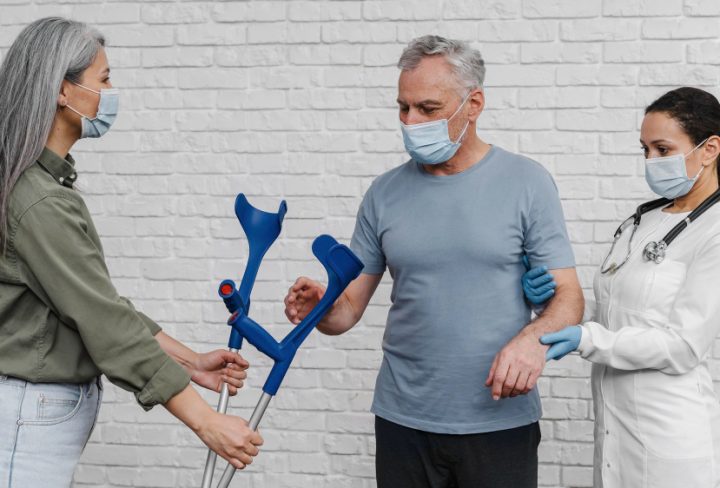
Early mobilization after surgery means helping patients move soon after their operation. This can include sitting up, standing, or walking with help. For many people, movement starts within hours or a day after surgery. Doctors and nurses use hospital mobility guidelines to decide when and how patients should start moving. Early movement is a key part of postoperative recovery. It helps the body heal and lowers the risk of problems.
Why Early Mobilization Matters: Key Benefits
Early mobilization offers many benefits for both the body and mind. For example, it can help patients feel better faster. It also supports a smoother recovery. According to the World Health Organization (WHO), moving early after surgery can:
In addition, early movement may help patients return home sooner. This can be especially important for those recovering in busy hospitals or in areas with limited resources.
Common Risks of Delayed Mobilization
However, waiting too long to move after surgery can cause problems. Delayed mobilization increases the risk of complications. For instance, patients who stay in bed for long periods may face:
Moreover, delayed movement can affect mental health. Patients may feel more anxious or sad if they cannot move freely. The Centers for Disease Control and Prevention (CDC) also notes that early movement helps lower these risks.
How Early Mobilization Is Implemented in Hospitals
Most hospitals follow clear steps to help patients move safely after surgery. First, doctors check if it is safe for the patient to start moving. Next, nurses or physical therapists help the patient sit up or stand. In many cases, patients begin with small movements, such as wiggling their toes or bending their knees. Gradually, they may progress to walking short distances with help.
In some places, recovery may happen at home. Local hospitals or clinics can offer advice for safe movement during home recovery.
Tips for Safe Movement After Surgery
Safe movement is important for everyone after surgery. To help reduce complications after surgery, follow these tips:
For families, it helps to stay nearby and offer gentle support. In addition, learn about your hospital’s mobility guidelines. This can make recovery safer and smoother.
Frequently Asked Questions About Early Mobilization
When should I start moving after surgery?
Most patients begin moving within hours or a day after surgery. However, your doctor will decide what is best for you.
Is early mobilization safe for everyone?
For most people, yes. Still, some patients may need to wait if they have certain health issues. Always follow your care team’s advice.
What if I feel pain when moving?
Some discomfort is normal. Yet, you should tell your nurse or doctor if the pain is strong. They can help manage your pain and adjust your movement plan.
Can I move at home after leaving the hospital?
Yes, many people continue their recovery at home. Ask your care team for safe movement tips and follow their advice closely.
Where can I find more information?
You can visit trusted sources like the WHO or CDC websites. Your hospital may also have helpful guides for postoperative recovery and safe movement after surgery.