
Introduction
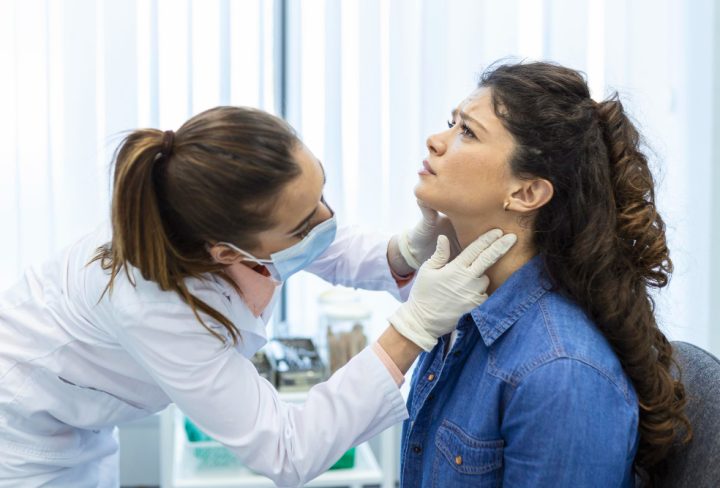
Thyroid imbalances can greatly affect women’s health and well-being. The thyroid is a small gland in the neck, but it plays a big role in the body. When the thyroid does not work right, it can cause many problems. Many women experience thyroid symptoms, such as tiredness, weight changes, and mood swings. Because thyroid disorders are more common in women, it is important to know the effects of thyroid disorders on female health. Early detection and thyroid imbalance treatment for women can help improve quality of life.
What is the Thyroid and Its Role in Women’s Health
The thyroid is a butterfly-shaped gland located at the front of the neck. It makes hormones that control how the body uses energy. These hormones affect many body functions, including heart rate, body temperature, and metabolism. For women, the thyroid also impacts menstrual cycles, fertility, and mood. Because of this, thyroid health is very important for women at all ages.
Common Types of Thyroid Imbalances in Women
There are two main types of thyroid imbalances that affect women:
In addition, some women may develop thyroid nodules or autoimmune thyroid diseases, such as Hashimoto’s disease or Graves’ disease. These conditions can also affect thyroid function.
Symptoms of Thyroid Imbalances in Women
Thyroid symptoms in women can be mild or severe. Sometimes, they are mistaken for other health issues. However, knowing the signs can help with early diagnosis. Common symptoms include:
Because these symptoms can affect daily life, it is important to pay attention to any changes.
Causes and Risk Factors
Several factors can cause thyroid imbalances in women. For example, autoimmune diseases, family history, and certain medicines can play a role. Other risk factors include:
Because women are more likely to have thyroid problems, regular check-ups are helpful.
Diagnosis and Testing
Doctors use simple blood tests to check thyroid hormone levels. These tests measure:
Sometimes, doctors may order an ultrasound or other tests to look for nodules or swelling. Early diagnosis can help prevent serious health problems. According to the CDC, regular screening is important for women with symptoms or risk factors.
Treatment Options
Treatment depends on the type of thyroid imbalance. For hypothyroidism, doctors often prescribe hormone replacement pills. For hyperthyroidism, treatment may include:
Because each woman is different, doctors create a treatment plan based on individual needs. Regular follow-up is important to adjust treatment as needed.
Lifestyle Tips for Managing Thyroid Health
In addition to medical treatment, healthy habits can support thyroid health. For example:
Because lifestyle changes can make a difference, talk to your doctor before starting new habits.
Prevention and When to Seek Medical Advice
While not all thyroid problems can be prevented, regular check-ups can help catch issues early. If you notice symptoms like tiredness, weight changes, or mood swings, see a doctor. Early treatment can prevent complications. According to the World Health Organization (WHO), women should be aware of thyroid health, especially during pregnancy or after age 60.
Conclusion
Thyroid imbalances can affect many parts of a woman’s life. However, with early diagnosis and proper care, most women can manage their symptoms well. If you have concerns about your thyroid, consult a healthcare specialist for personalized thyroid health advice.