
What is Fatty Liver?
Fatty liver is a common health problem. It happens when too much fat builds up in your liver cells. This condition is also called hepatic steatosis. Sometimes, fatty liver does not cause any harm. However, it can lead to liver damage over time. In the United States, many people have fatty liver due to unhealthy diets and lack of exercise. Early detection is important for better liver health.
Common Symptoms
Often, fatty liver disease symptoms are mild or not noticeable. Still, some people may have signs that suggest a problem. For example, you may notice:
Because symptoms can be mild, many people do not know they have fatty liver. Therefore, regular check-ups are helpful.
Main Causes and Risk Factors
There are several causes and risk factors for fatty liver. Some people develop it without any clear reason. However, the most common causes include:
In addition, family history can increase your risk. If you have any of these risk factors, you should pay close attention to your liver health.
How Fatty Liver is Diagnosed
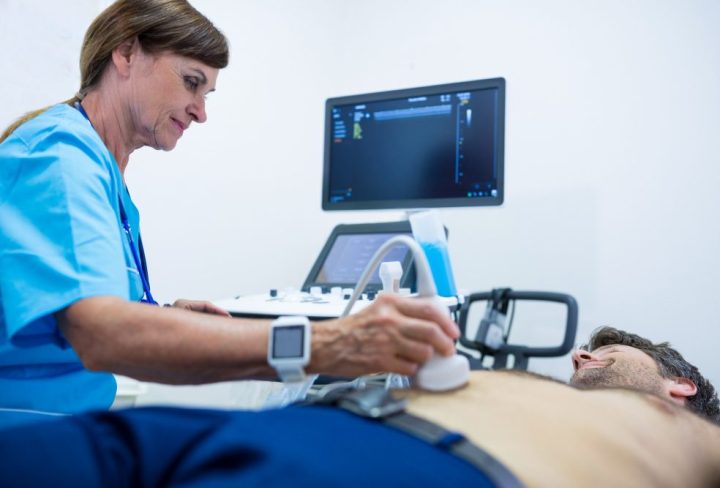
Doctors use several methods to diagnose fatty liver. First, they may ask about your health history and symptoms. Next, they often do a physical exam. After that, they may order tests such as:
These tests help doctors find out how much fat is in your liver. They also check for liver damage. Early diagnosis can help prevent serious problems.
Treatment Options
There are several fatty liver treatment options. The main goal is to reduce fat in your liver and prevent damage. Most people do not need medicine. Instead, doctors recommend lifestyle changes. For example:
In some cases, doctors may suggest medicine for related problems, such as diabetes. However, no specific drug treats fatty liver directly. According to the CDC, healthy habits are the best way to manage this condition.
Lifestyle Tips and Prevention
Prevention is key for liver health. You can lower your risk of fatty liver by making simple changes. Here are some liver health tips:
For those living in the US, local programs and support groups can help you stay on track. Remember, small steps can make a big difference.
When to See a Doctor
Sometimes, fatty liver can lead to serious liver problems. Therefore, you should see a doctor if you:
Early treatment can prevent liver damage. So, do not wait if you have concerns about your liver health.
For personalized advice on fatty liver, consult a healthcare provider. They can help you choose the best steps for your health.