
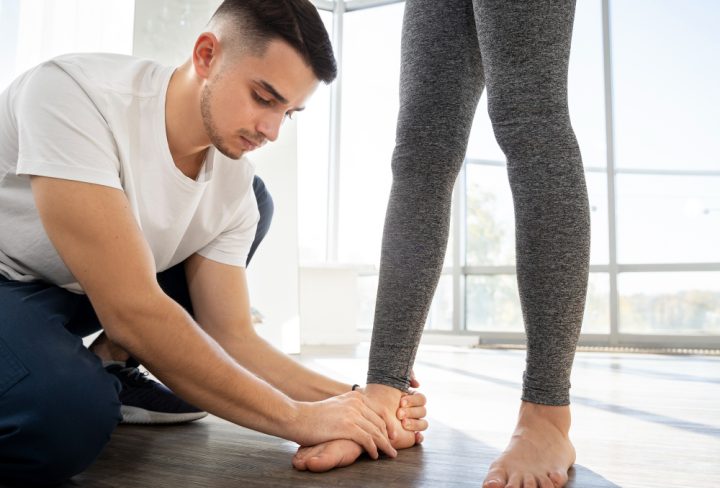
Understanding Diabetic Foot and Its Risks
Many people with diabetes face a higher risk of foot problems. Preventive care for diabetic foot is important because diabetes can cause nerve damage and poor blood flow. As a result, small cuts or blisters may not heal well. Over time, these issues can lead to serious infections. Therefore, knowing how to prevent diabetic foot problems can help you stay healthy and avoid complications.
Why Preventive Care Matters
Preventive care helps you catch problems early. For example, daily checks can spot cuts or swelling before they get worse. According to the CDC, good foot care lowers the risk of ulcers and amputations. In addition, regular care can save you from pain and costly treatments. So, making foot care a daily habit is key for people with diabetes.
Daily Foot Care Tips
Taking care of your feet every day is simple but powerful. Here are some easy steps:
Choosing the Right Footwear and Protection
Proper shoes can prevent many foot problems. For instance, shoes that fit well reduce the risk of blisters and sores. Here are some tips:
Warning Signs to Watch For
Early action can prevent serious problems. Watch for these signs:
If you notice any of these, act quickly and contact your doctor.
When to Seek Medical Help
Sometimes, home care is not enough. For example, if you see pus, have a fever, or notice spreading redness, seek help right away. In addition, if you cannot feel your feet or see a wound that is not healing, call your healthcare provider. Early treatment can prevent bigger problems.
Lifestyle Guidance for Healthy Feet
Healthy habits support foot care. Here are some ways to help your feet stay strong:
Summary: Key Steps for Preventive Care
To sum up, preventive care for diabetic foot is simple but vital. Remember to:
With these steps, you can lower your risk of foot problems and stay active.
When in Doubt, Ask for Help
If you have diabetes, regular foot checks by a doctor are important. Consult a healthcare professional for personalized diabetic foot care advice. Your feet will thank you!