
Introduction to Thyroid Disorders
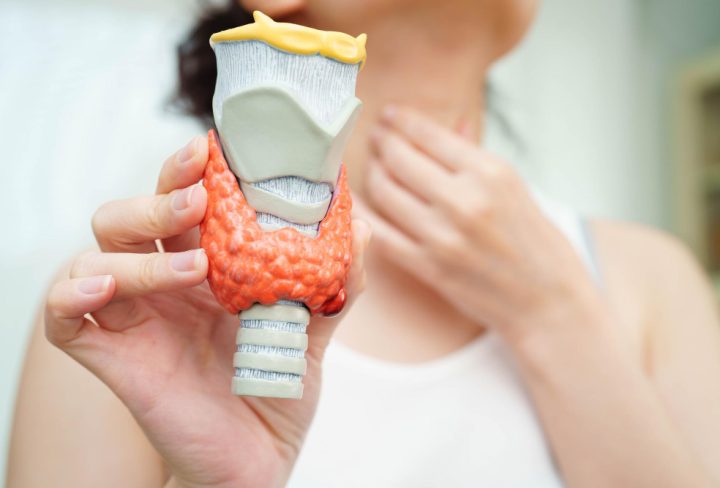
The thyroid is a small gland in your neck. It helps control your body’s energy and metabolism. Sometimes, the thyroid does not work as it should. This leads to thyroid disorders: hypothyroidism vs hyperthyroidism. These conditions affect millions of people worldwide. Understanding the symptoms and causes can help you seek the right care. According to the World Health Organization (WHO), thyroid problems are common, especially in women.
What Is Hypothyroidism?
Hypothyroidism means your thyroid is underactive. In other words, it does not make enough thyroid hormone. Because of this, your body slows down. This condition is more common in women and older adults.
Symptoms of Hypothyroidism
Causes of Hypothyroidism
What Is Hyperthyroidism?
Hyperthyroidism means your thyroid is overactive. It makes too much thyroid hormone. As a result, your body speeds up. This condition can affect anyone, but it is also more common in women.
Symptoms of Hyperthyroidism
Causes of Hyperthyroidism
Key Differences Between Hypothyroidism and Hyperthyroidism
Although both are thyroid disorders, they have opposite effects. For example, hypothyroidism slows your body down, while hyperthyroidism speeds it up. Here are some key differences:
Diagnosis Methods for Thyroid Disorders
Doctors use several tests to check for thyroid problems. Early diagnosis helps in managing thyroid problems better. Common methods include:
Usually, a simple blood test is enough to start. However, your doctor may order more tests if needed.
Treatment Options for Hypothyroidism and Hyperthyroidism
Treatment depends on the type of thyroid disorder. For hypothyroidism, doctors often prescribe thyroid hormone pills. These pills replace the missing hormone. Most people need to take them for life.
For hyperthyroidism, treatment options include:
Sometimes, beta-blockers help with symptoms like fast heartbeat. Your doctor will choose the best plan for you.
Lifestyle Tips and Prevention
While not all thyroid disorders can be prevented, healthy habits can help. For instance, eating a balanced diet supports thyroid health. Here are some tips:
Additionally, avoid self-medicating or stopping treatment without talking to your doctor.
Summary
In summary, thyroid disorders: hypothyroidism vs hyperthyroidism, affect how your body works. Both have different symptoms and causes. Early diagnosis and proper treatment can help you feel better. If you notice any thyroid disorder symptoms, do not wait. Consult a healthcare provider for personalized advice on thyroid health.