
Introduction
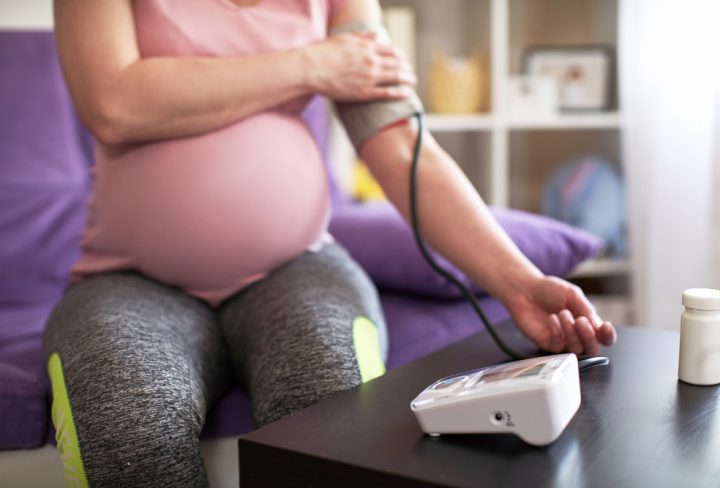
Blood pressure monitoring during pregnancy means checking your blood pressure often while you are expecting. This simple step helps keep you and your baby safe. In fact, blood pressure monitoring during pregnancy can spot problems early. Because of this, it is an important part of prenatal care. Many doctors recommend regular checks to prevent pregnancy complications. If you know your numbers, you can act quickly if something changes. For this reason, understanding how and why to monitor blood pressure is key for every pregnant woman.
What is Blood Pressure Monitoring?
Blood pressure is the force of blood pushing against your artery walls. Monitoring blood pressure means measuring this force with a device called a blood pressure monitor. Usually, a cuff is placed around your upper arm. Then, the device gives two numbers: the top number (systolic) and the bottom number (diastolic). Both numbers are important. Regular checks help you and your doctor see if your blood pressure is in a healthy range. For pregnant women, this is even more important because changes can happen quickly.
Why is Blood Pressure Monitoring Important in Pregnancy?
During pregnancy, your body goes through many changes. Because of these changes, your blood pressure can rise or fall. Monitoring blood pressure during pregnancy helps catch problems early. For example, high blood pressure can lead to serious issues like preeclampsia. On the other hand, low blood pressure can make you feel dizzy or faint. Early detection means you can get the right care sooner. In addition, regular checks help prevent pregnancy complications and keep both mother and baby safe. According to the CDC, tracking blood pressure is one of the best ways to avoid risks.
Risks of High or Low Blood Pressure During Pregnancy
Both high and low blood pressure can cause problems during pregnancy. Here are some risks to watch for:
Because of these risks, pregnancy blood pressure risks should never be ignored. If you notice any changes, talk to your doctor right away.
How to Monitor Blood Pressure Safely at Home
Many women choose monitoring blood pressure at home during pregnancy. This is safe and easy with the right steps. Here’s how you can do it:
In addition, always follow your doctor’s advice on how often to check. If you live in a rural area or have limited access to clinics, home monitoring is even more helpful.
When to Seek Medical Help
Sometimes, blood pressure changes need quick action. Seek medical help if you notice:
Even if you feel fine, these signs could mean a serious problem. Therefore, do not wait to call your healthcare provider. Early help can prevent pregnancy complications.
Prevention Tips and Healthy Lifestyle Guidance
There are many ways to help prevent blood pressure problems during pregnancy. Try these healthy habits:
Additionally, keep all prenatal appointments and follow your doctor’s advice. These steps can help in preventing pregnancy complications and support a healthy pregnancy.
Conclusion
In summary, blood pressure monitoring during pregnancy is vital for your health and your baby’s safety. Regular checks can spot problems early and help prevent serious risks. For the best care, consult your healthcare provider for personalized advice on blood pressure monitoring during pregnancy.