
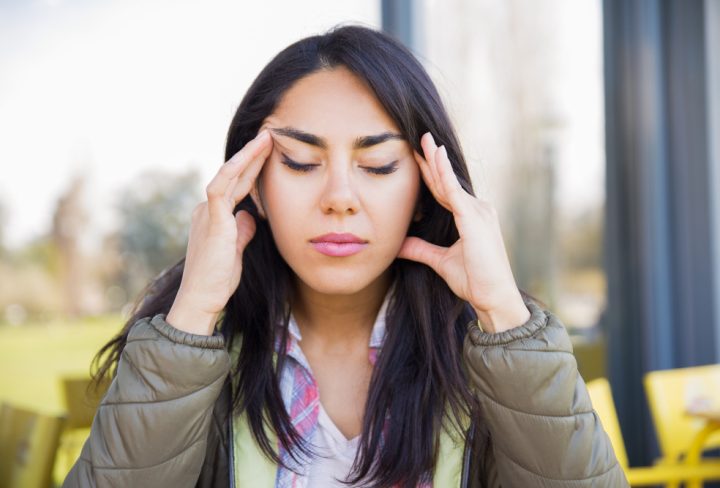
What Are Headaches?
Headaches are a common health problem that many people face. They cause pain or discomfort in the head or neck. Often, headaches can disrupt daily life. However, most headaches are not dangerous. There are different types of headaches, including tension headaches, migraines, and cluster headaches. Each type has its own causes and symptoms. Understanding headaches can help you find the right relief and prevent future pain.
Common Causes of Headaches
Many things can trigger headaches. Sometimes, the cause is simple, like stress or dehydration. Other times, it may be related to an illness or lifestyle habit. For example, skipping meals or not sleeping well can lead to headaches. Below are some common causes:
Because headaches have many causes, it is important to notice what triggers yours. This can help you avoid them in the future.
Recognizing Headache Symptoms
Headache symptoms can vary. Some people feel a dull ache, while others have sharp or throbbing pain. In addition, headaches may come with other signs. For example, you might feel sensitive to light or sound. Sometimes, you may feel sick to your stomach. Here are common symptoms to watch for:
However, if your headache feels different or very severe, you should seek medical help.
Effective Solutions and Treatments
There are many ways to find headache relief. Some people need medicine, while others benefit from natural remedies for headaches. Here are some effective solutions:
For some, natural remedies for headaches work well. For example, drinking herbal tea or using essential oils may help. However, always check with your doctor before trying new treatments. If you live in a city with high pollution, staying indoors on bad air days can also help reduce headaches.
Prevention Tips for Headaches
Preventing headaches is possible with a few simple steps. Although not all headaches can be avoided, these tips may lower your risk:
By following these steps, you can often reduce how often headaches occur. In addition, you may notice which habits help you feel better.
When to See a Doctor
Most headaches are not serious. However, sometimes they can signal a bigger problem. You should see a doctor if:
Early care can help find the cause and give you the right headache relief. For ongoing or severe headaches, always seek medical advice.
For personalized headache relief and advice, consult a healthcare professional. They can help you find the best solution for your needs.